
Best Eco-Friendly Travel Gear for Adventurers
Eco-friendly travel gear cuts down waste and pollution by using recycled materials, avoiding harmful chemicals, and lasting through years of hard use. Backpacks made from repurposed plastics save up to twenty water bottles each, while biodegradable toiletries break down in months instead of centuries. Categories like clothing, cookware, and sleeping mats each face limits: boots and jackets must balance waterproofing against the environmental cost of synthetics, and many solar chargers struggle in low light. True sustainability means considering how gear is made, how long it lasts, and where it ends up when it fails.
Major differences come from the supply chain and repairability. Some items can be fixed on the trail with simple sewing kits, but others must be shipped back, doubling their carbon footprint.
When these solutions fall short–like when a zipper breaks beyond repair or a battery won't hold a charge–the environmental benefits can quickly unravel. People who invest in lasting through years gear often find more time for themselves, and that downtime is now frequently spent exploring online casino games, where repairability is less of a concern. Players on slotoro notice how easy it is to start with a quick registration process. This shift back to convenience highlights how even sustainable choices sometimes run into practical limits that need creative answers.
Many products labeled as eco-friendly still use blends that cannot be recycled or composted at the end of their life.
How to tell if gear is truly eco-friendly
Many outdoor brands now claim their equipment is better for the environment, but not every promise stands up to scrutiny. Some products are made with recycled polyester or organic cotton, while others simply use buzzwords in their marketing. Identifying genuine efforts means looking beyond slogans to the details of materials, manufacturing, and independent labels.
Understanding sustainability certifications
Labels alone do not guarantee real environmental responsibility. Certification standards vary, and some allow loopholes that weaken their credibility.
| Certification | Key Requirement | Guarantees | Disqualifying Factor |
|---|---|---|---|
| Global Organic Textile Standard (GOTS) | At least 70% certified organic fibers | No toxic chemicals in processing; social criteria enforced | Use of prohibited hazardous substances |
| bluesign | Entire production process scrutinized | Limits on water and energy use; chemical safety | Inadequate transparency in supply chain |
| Fair Trade Certified | Rigorous social and wage standards | Minimum price to producers; environmental management plans | Unfair labor practices or lack of traceability |
| Forest Stewardship Council (FSC) | Wood or paper from responsibly managed forests | No illegal logging; protection of biodiversity | Mixing of uncertified wood in supply |
| Cradle to Cradle Certified | Assessment of material health and recyclability | Product designed for circularity; renewable energy in production | Failure to meet minimum scores in one impact area |
| OEKO TEX Standard 100 | Testing for harmful substances in textiles | Limits on over 100 hazardous chemicals | Presence of banned chemicals above set thresholds |
Unreliable or weak certifications allow greenwashing and undermine trust. A label that covers chemicals, social responsibility, and traceability signals a more credible commitment to sustainability.
Spotting misleading green claims
Bright green packaging and nature imagery often appear on travel gear that still contains polyester, nylon or other synthetic materials. Some brands swap out a single component for recycled plastic yet promote the whole product as a sustainable alternative. This approach masks the full environmental impact and can mislead even well-informed buyers.
A frequent tactic involves highlighting one eco-friendly feature while ignoring the rest of the product’s lifecycle, such as marketing a backpack with recycled zippers but using virgin materials for the main fabric.
Many travelers mistake these partial claims for genuine sustainability, overlooking the large footprint from manufacturing and chemical treatments. A focus on only one green element, like compostable packaging or plant-based coatings, often distracts from the use of resource-intensive processes elsewhere in the item.
Products with trustworthy certifications and transparent sourcing practices stand out from those with empty claims. Choosing gear built from responsibly sourced components supports companies making a measurable difference.
Which eco-friendly gear lasts longest
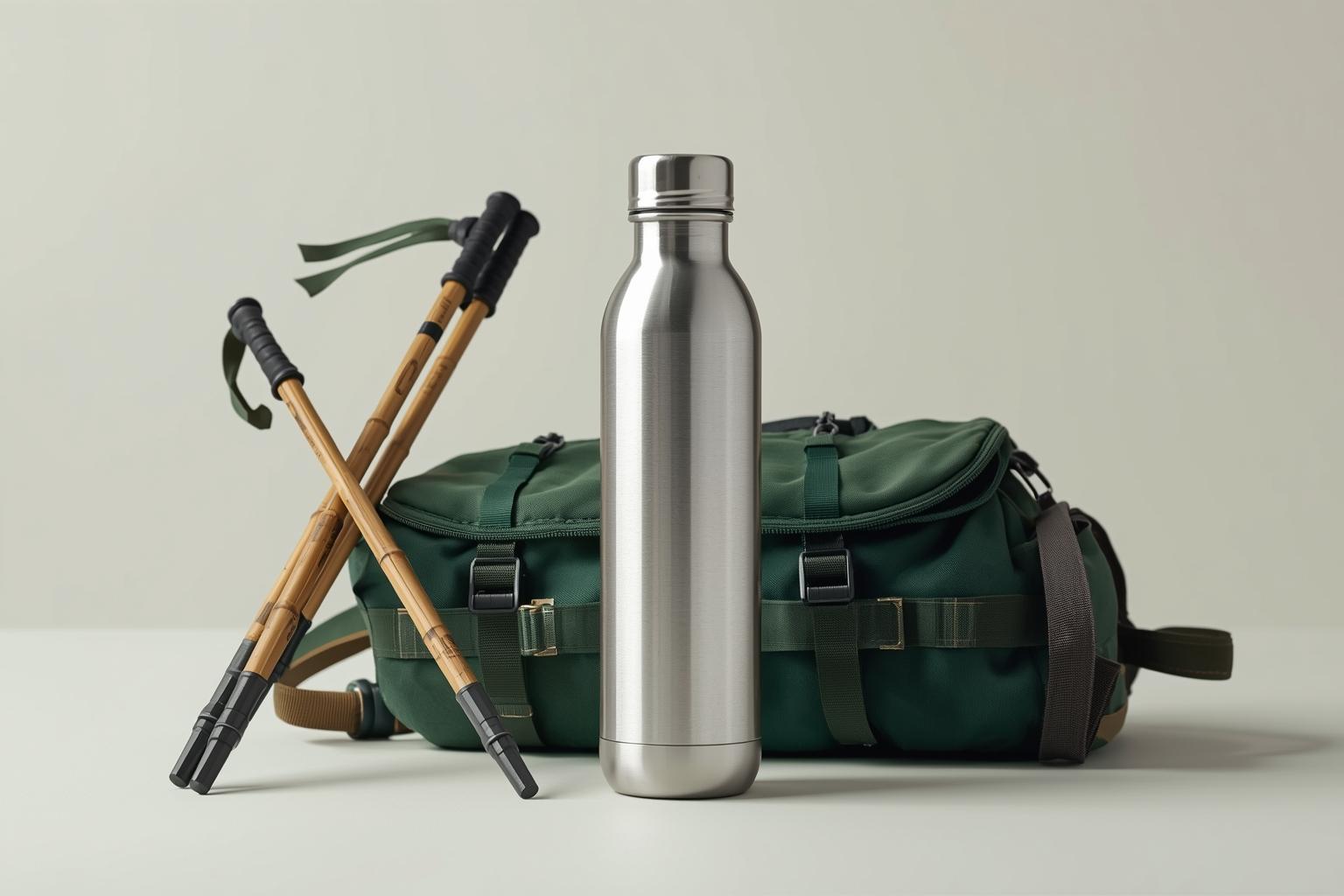
Material breakdown often decides whether eco-friendly gear outlasts standard equipment. Abrasion, exposure to sun, and repeated cleaning reveal weaknesses that warranties rarely cover. Actual longevity depends on these practical factors:
- Recycled polyester jackets – fewer tears than cotton in rough terrain
- Bamboo fiber shirts – resist odor and stretching better than synthetics
- Stainless steel bottles – outlast plastic by surviving drops and dishwashers
- Organic canvas backpacks – seams hold under heavy loads longer than nylon
- Natural rubber boots – crack less in cold, but degrade in strong sun
Extended expeditions on mixed terrain bring durability differences into sharp focus. Choosing gear with reinforced stitching or UV-treated coatings often prevents failure after months of use.
What you sacrifice for sustainability

Choosing gear made from recycled materials or organic fibers often means higher prices and a limited range of styles. Some products weigh a little more because of natural fabrics or reinforced stitching. Performance may also differ, especially in extreme climates where synthetics still lead in water resistance or insulation.
A solar charger with biodegradable casing may add weight and charge slower than a standard power bank. Reusable water bottles crafted from stainless steel keep plastic out of landfills but are heavier than plastic ones. Footwear made with plant-based glues or recycled soles can wear out sooner when exposed to rough terrain over long treks.
Environmental certifications increase transparency but can raise costs and delay product launches. Many adventurers accept these trade-offs to reduce environmental impact, but expectations must shift. Ultimate performance or the lightest option sometimes must give way to ethical sourcing and ecological health.
Where to find reliable eco-friendly brands
Some travel gear brands claim to help the environment, but a surprising number focus on image rather than real impact. A product made from recycled materials does not guarantee that the whole company acts sustainably. To identify which brands deliver on their promises, follow these steps:
- Start by searching for independent reviews and rankings from established environmental organizations or trusted news outlets.
- Compare brand certifications such as Fair Trade, bluesign, or Global Organic Textile Standard, which require proof of ethical production and reduced environmental harm.
- Analyze the company's sustainability reports for measurable targets and transparency about sourcing and manufacturing.
- Look for third party audits or investigations that highlight both achievements and shortcomings in the brand’s practices.
Buying without this research often means supporting companies that use green labels as a marketing tool while ignoring real issues. Brands that provide third party certification and detailed reporting tend to be more reliable.
 Jesse Starling
 Tru Starling
 Jacqui Maree Bailey