
Sustainable Travel Gear for Adventurers
Reliable gear with recycled fabrics and tough zippers makes long journeys less stressful, cutting down on repacking time and letting travelers spend evenings as they choose. A typical backpacker carries no more than 15 kilograms for trips under two weeks, with weight limits on airlines forcing careful selection and usually no more than three pairs of shoes. When gear survives rough bus rides and rainy hikes, it means fewer frantic repairs and more relaxed nights in hostels or guesthouses. Some use these calm stretches to try their luck on phone-based games during downtime, especially when a welcome bonus or a big payout round appears in an app between hikes. With the right kit, evenings in remote cabins or after a full day’s trek can turn into hours spent exploring new game offers, sometimes comparing deposit options or waiting for a fast withdrawal after a lucky streak. Packing for this balance starts well before leaving home:
- List all gear that handles rough weather or heavy loads.
- Test pockets and closures for quick access and durability.
- Set aside a secure pouch for cards and electronics needed for game apps.
- Double check the pack weight meets airline restrictions.
Problems usually start when zippers break or seams split, forcing time on repairs instead of rest. Poor choices can mean missing out on the evening’s entertainment, or even losing access to winnings if a bag fails in transit.
When gear lets you down, the stress can overshadow the whole trip. By choosing wisely, the reader avoids the hassle of bag fails and is free to explore moments of leisure, like checking out online casino no deposit bonuses and keeping winnings secure. Many people look at spin city no deposit bonus to see exactly how the free spins work before signing up. This way, you can focus on the experience instead of worrying about what might go wrong.
How to Choose Gear That Lasts
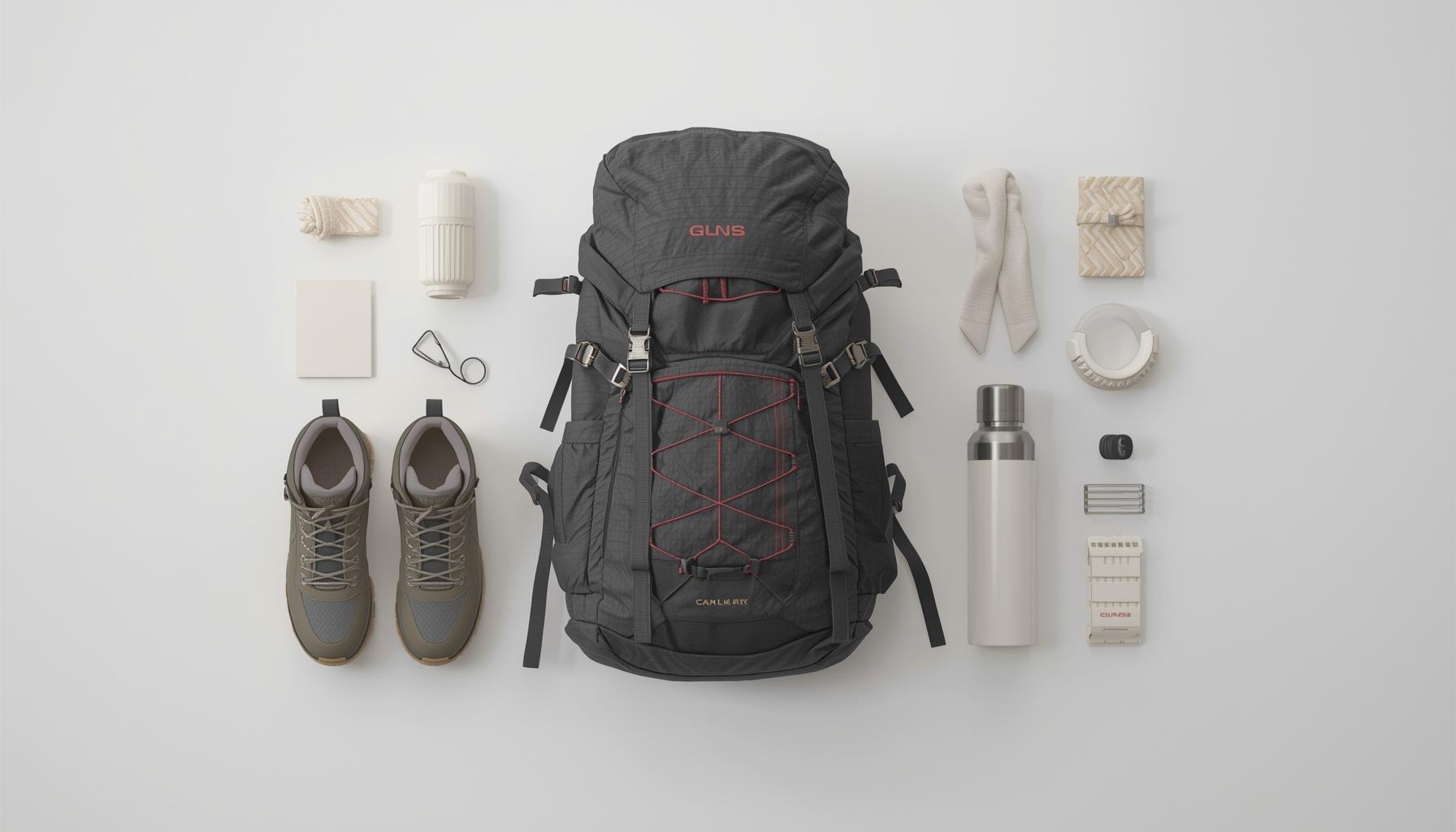
Long journeys and outdoor expeditions subject travel gear to repeated stress, which exposes weaknesses in stitching, fastenings, and coatings. Durable materials are rarely the cheapest or flashiest, but they outlast gear with visible branding and quick-fix features. The same principle of substance over style applies when downtime appears, such as evenings spent exploring online games and bonus offers often found after a day of hiking; the gear chosen earlier now shapes how relaxing that break feels:
- Examine the labels and touch the fabric, prioritizing recycled synthetics or organic cotton with double-stitched seams over thin polyester blends.
- Assess hardware and closures, since zippers from known name suppliers or metal buckles survive more cycles than plastic alternatives that warp in heat or snap under tension.
- Look for third-party certifications like bluesign or Fair Trade, which audit both environmental claims and worker conditions, filtering out companies relying on self-made badges or vague green logos.
- Check for modular repairs: gear with replaceable straps or patch kits included signals long-term thinking, while glued or welded seams often fail after a few seasons.
- Consider how easy it is to clean and dry the gear while on the move, because items that resist mold or dry overnight reduce the risk of an unexpected stop becoming a gear failure–much like how a player checks the withdrawal rules for online prizes before committing to a late-night session.
Never settle for gear that can't handle at least one full season of rough use or that hides its fabric source. When leisure time opens up and online games compete with the outdoors, gear that performs reliably means more freedom to relax and enjoy those digital spins without distraction.
What Makes Travel Gear Truly Sustainable
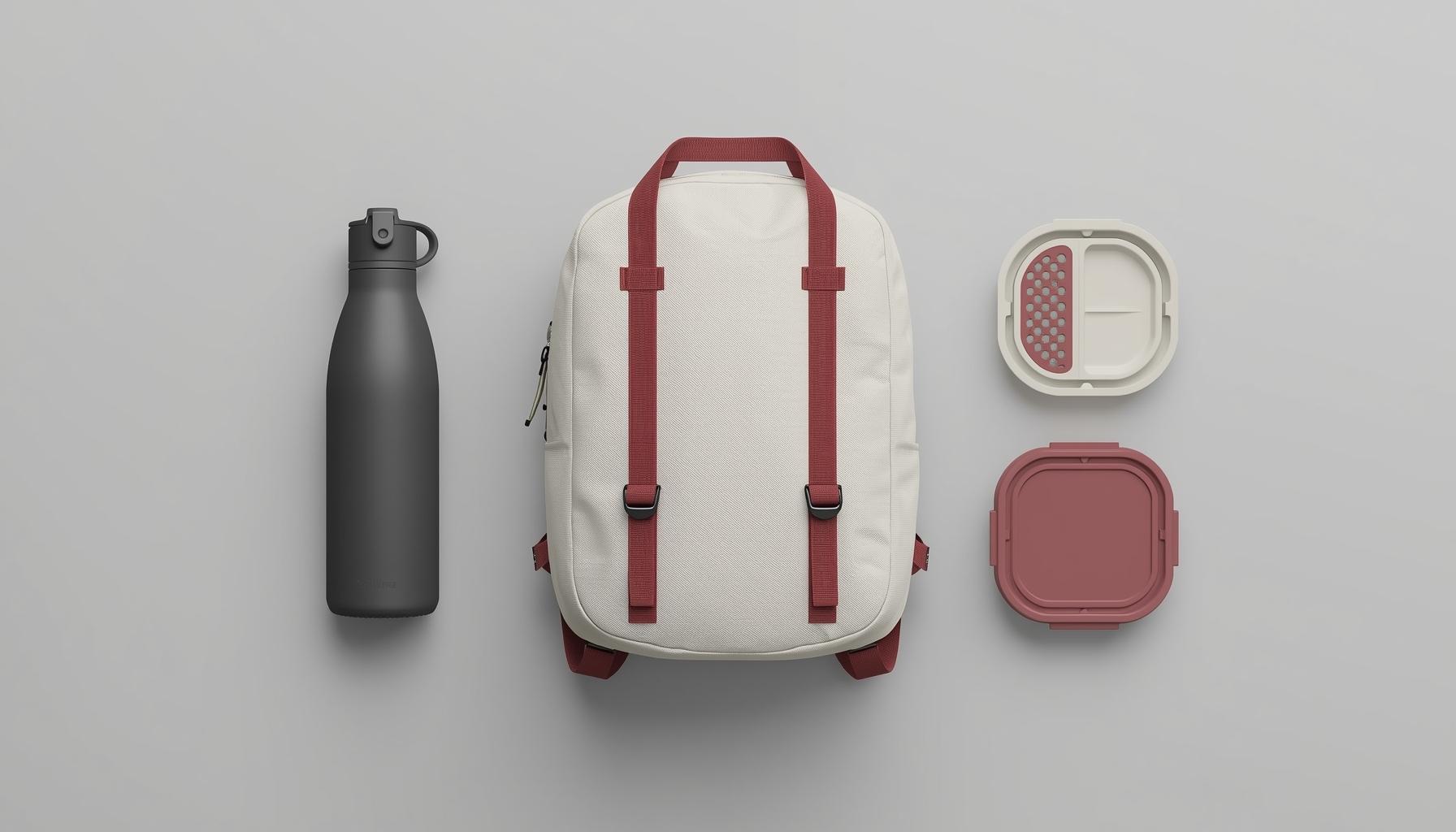
A product that claims sustainability but lacks a traceable supply chain often fails when scrutinised for real impact. Gear with clear certification and a plan for what happens at the end of its life stands out in a crowded market, where many products rely only on recycled content but ignore the bigger picture.
| Certification Type | Materials Sourced | Supply Chain Transparency | End-of-Use Solution |
|---|---|---|---|
| Third-party verified | Organic cotton, recycled polyester | Full supplier disclosure | Brand return scheme |
| No certification | Virgin plastics | Unknown or private factories | Landfill disposal |
| Industry standard mark | Wool, TENCEL lyocell | Audited production stages | Compostable or recyclable packaging |
| Brand self-declaration | Blended fabric | Limited batch tracking | No formal collection |
| Peer-reviewed eco label | Plant-based or upcycled fabrics | Published environmental impact | Partner recycling initiative |
When gear meets only the minimum requirements, it often leaves significant environmental costs hidden from view. Free evenings in a quiet hostel or remote eco-lodge tend to invite time spent playing slots or exploring welcome offers, where the temptation is to skim the terms–just as with travel gear, missing a detail can mean unexpected outcomes.
How Sustainable Gear Enhances Downtime
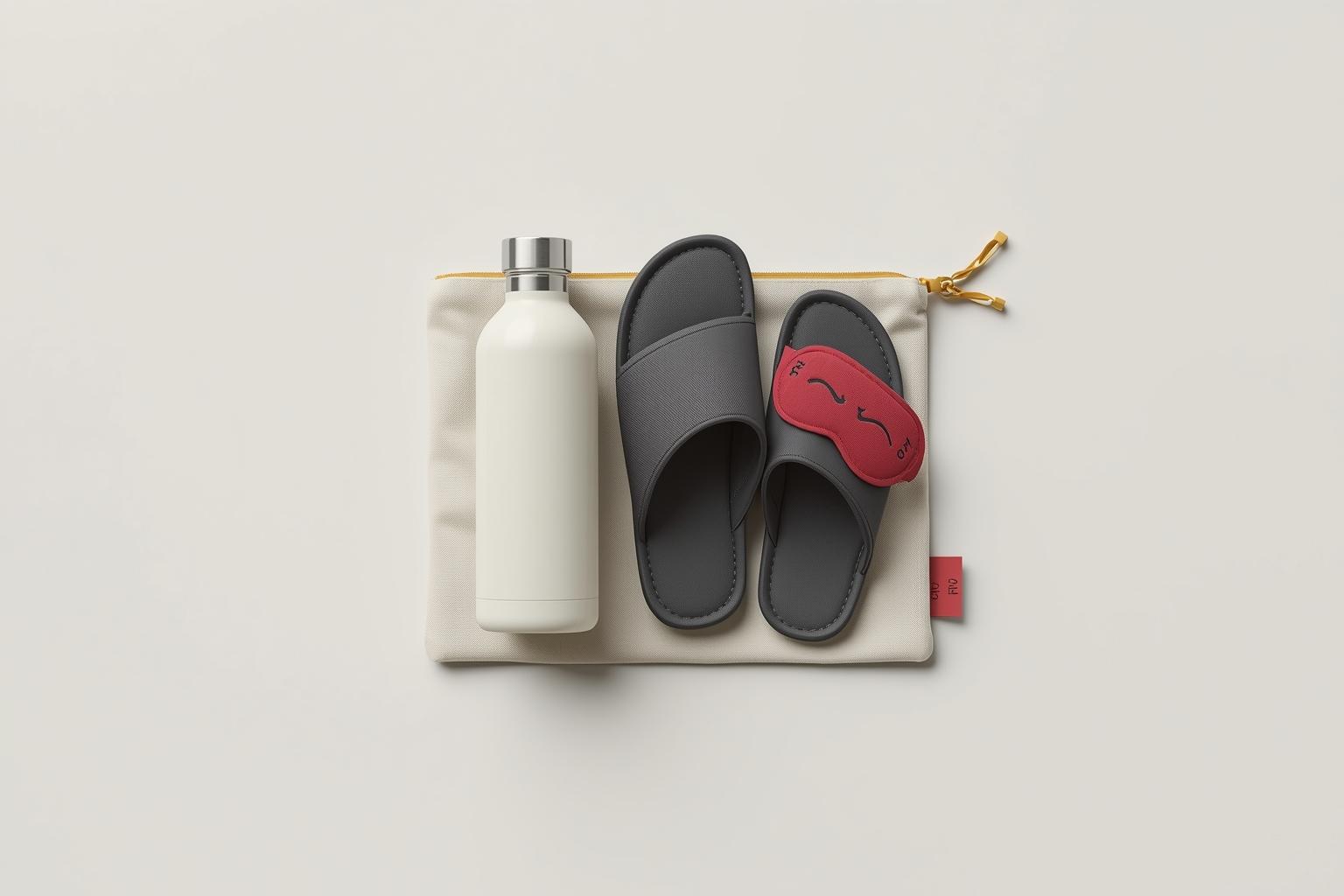
Sturdy, environmentally conscious travel gear frees up time that would otherwise be lost to repairs or searching for replacements. This extra margin is often spent in camp or a quiet guesthouse, where many adventurers browse for evening amusement. Online casino games, from spinning reels to table classics, become a frequent choice for those with hours to spare and a strong signal.
Relaxation in Remote Destinations
Sleep comes faster when the tent stands up to wind and rain, and the sleeping mat keeps the cold ground out. Unpredictable weather and rough terrain make reliable, sustainable gear more than a preference; they turn it into a necessity for anyone spending nights far from towns or help.
The single zipper that fails in a downpour, or a shelter that lets water seep in, can turn a restful evening into a night spent shivering. Durable, ethically sourced materials hold up longer, keeping comfort predictable even when conditions change fast.
Travelers who trust their gear often finish camp setup early, freeing up hours of true downtime. For many, this means evenings with a phone in hand, sometimes trying out online casinos–scrolling through game lobbies, spinning a few slots, or browsing welcome bonuses–while the world outside grows quiet. Reliable equipment carves out space for these small luxuries, making the difference between restless worry and genuine relaxation. The mental shift comes from knowing the basics are covered, not from the novelty of remote entertainment options.
Digital Entertainment During Travel
Long layovers or quiet evenings in a mountain lodge often reveal the value of gear that can hold a charge for days. A reliable solar charger or a recycled plastic power bank makes the difference between a dead phone and a relaxing hour scrolling through favorite series or spinning reels. When the basics run smoothly, adventure travelers find themselves with spare time and the means to indulge in digital escapes, including online casino games such as blackjack or video slots, without worrying about a sudden blackout:
- Extended battery life – streaming a live table game without the screen dimming
- Solar-powered chargers – topping up devices during a sunny hike
- Durable phone cases – a dropped device on rocky ground does not end the evening
- Foldable headphones – blocking out hostel noise for a focused round of roulette
- Low-energy e-readers – browsing casino tips or rules while using less power
This approach pays off most during multi-day treks where access to outlets is limited and nights are long. The chance to claim a no-deposit bonus while camped in a remote valley depends on devices staying powered, which sustainable gear quietly enables.
Reliable gear means less stress and more hours open for games, chats, or scrolling through bonus offers on casino sites. Many find that sustainable choices shift downtime from fixing problems to exploring jackpots, live tables, or a string of free spins in comfort.
